Learn Quran Online with Certified Male & Female Tutors
Personalized 1-on-1 Quran classes for kids and adults of all levels. Master Tajweed recitation, memorization (Hifz), and vocabulary with native Jamia tul Kausar University scholars. Enjoy flexible 24/7 scheduling, two free trial sessions, and live progress tracking.
فَاذْكُرُونِي أَذْكُرْكُمْ وَاشْكُرُوا لِي وَلَا تَكْفُرُونِ
"پس تم مجھے یاد کرو، میں تمہیں یاد کروں گا، اور میرا شکر ادا کرو اور میری ناشکری نہ کرو۔"
"So remember Me; I will remember you. And be grateful to Me and do not deny Me."
A Modern Path to Divine Knowledge
We merge the traditional methods of Quranic learning with state-of-the-art interactive digital tools.
What is Quran IQ?
Quran IQ is our simple, step-by-step approach to help you and your children build a lifelong connection with the Holy Quran.
We help students:
✓ Read the Quran correctly
✓ Learn Tajweed
✓ Memorize the Quran
✓ Understand the meanings of verses
✓ Build a lifelong connection with the Quran
Jamia tul Kausar University tutors
Study 1-on-1 with certified Jamia tul Kausar University tutors. All instructors hold registered Hifz and Tajweed Ijazah licenses.
Flexible 24/7 Scheduling
Choose classes that match your busy routine. Re-schedule lessons easily through our automated calendar scheduler.
1-on-1 Personalized Focus
No groups, no distractions. Each student gets complete, undivided attention to perfect their pronunciation and Tajweed.
Quranic Vocabulary Tracker
Monitor your root word growth and reading metrics with our integrated Quranic vocabulary tracker and analytics tools.
How We Compare
| Feature | Quranic IQ | Traditional Online Schools / Mosque Classes |
|---|---|---|
| Lesson Format | 1-on-1 Personalized Classes | Crowded Group Classes (15-30 students) |
| Scheduling & Timing | Flexible 24/7 Custom Schedule | Rigid / Fixed Hours (No Rescheduling) |
| Instructor Availability | Certified Male & Female Tutors | Very Limited Teacher Options |
| Progress Tracking | Live Portal Dashboard & Reports | No Structured tracking (Verbal Only) |
| Trial Assessment | 2 Free Assessment Classes | Paid Trial Sessions / Immediate Enrollment |
Quranic Studies & Tailored Curriculums
Whether you are a beginner learning letters or seeking professional Ijazah certification, we have a course for you. Browse all classes
Noorani Qaida for Kids & Adults
Master Arabic alphabets, vowels, and basic reading rules. The essential first step to reading the Quran correctly.
Quran Reading with Tajweed
Learn the rules of Tajweed (pronunciation rules) to recite the Quran with elegance, rhythm, and proper phonetic origins.
Quran Memorization (Hifz)
A structured, step-by-step memorization plan with revision loops. Perfect for students seeking to become a Hafiz.
Word-by-Word Quran Translation
Learn word-by-word Quranic translation and understand the literal meaning of every verse to build a solid foundation in Quranic Arabic.
Quranic Tafsir & Exegesis
Gain a deeper comprehension of the verses. Study historical context (Asbab al-Nuzul), theological themes, and spiritual lessons from classical Tafsir.
Tuition Plans Built For Your Family
Select a standard monthly package below or build a custom schedule with sibling discounts.
1 Lesson / Week
Ideal for self-paced review or light schedules. Basic phonics and reading assessment.
3 Lessons / Week
Our recommended track for steady Tajweed fluency and memorization revision. Full tracking profile included.
5 Lessons / Week
Fast-track Hifz or language learning. Daily direct feedback loops with university scholars.
Vows, Trust & Safety Guarantees
Money-Back Guarantee
Refund any unused lesson credits within 30 days of billing. Cancel your subscription instantly anytime.
Safe Payments
All credit card details are encrypted and processed securely using Stripe (SSL encrypted checkouts).
Child-Safe Classes
Our digital learning environments are audited and monitored daily for student security and child safety.
Female Tutors Available
Dedicated, qualified female Ustadhahs certified in Hifz/Tajweed are available for sisters and children.
Vetted Tutors & Audits
All scholars undergo deep background vetting, reference checks, and university degree verification.
Weekly Progress Reports
Get weekly report cards automatically outlining attendance, pronunciation score updates, and homework goals.
Completion Certificates
Earn registered certificates of graduation upon mastering curriculums (Qaida, Tajweed, or Hifz modules).
Learn from Ijazah Tutors
Graduated from prestigious universities and certified in Tajweed and Hifz recitation.
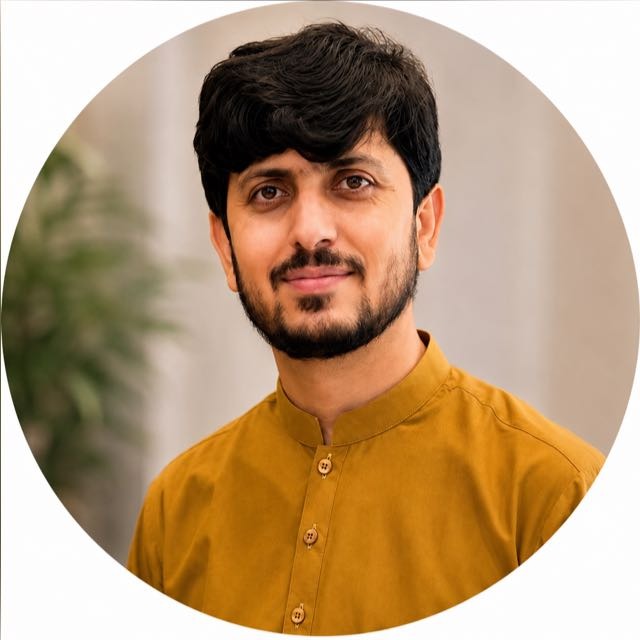
Asghar Abbas
Quran, Tajweed & Arabic Language Instructor
Dedicated Quran and Arabic teacher with a Master's degree in Arabic & Islamic Studies and over 5 years of teaching experience. Passionate about helping students of all ages learn Quran recitation with proper Tajweed, Hifz, Islamic studies, and Arabic language skills in a supportive online environment.
Credentials
M.A. Arabic & Islamic Studies, M.A. Economics
Specialties
Quran Recitation, Tajweed, Hifz-ul-Quran, Arabic Reading & Writing, Islamic Studies
Languages
English, Urdu, Seraiki, Arabic
Experience
5+ Years Teaching Experience


What Our Graduates Say
Read reviews from 20 of our certified students who mastered Quran Recitation and Tajweed rules with our 1-on-1 scholars.
"Completed my Quran Recitation course. My teacher was incredibly patient, correcting my pronunciation rules every step of the way. I feel so much more confident."
"Mastering Tajweed rules was always a challenge, but Quranic IQ made it simple. The 1-on-1 attention helped me perfect my letter articulation and rhythm."
"My 8-year-old daughter completed her Noorani Qaida and started Recitation. Her tutor makes the sessions fun, interactive, and highly engaging."
"The Tajweed course was fantastic. Learning the Makharij (exit points) of letters changed how I recite. The tutor's qualifications really show."
"I completed the whole Quran recitation with Tajweed. The progress tracking dashboard was very motivating, showing exactly which Surahs were cleared."
"Excellent teachers from Jamia tul Kausar. Their command over Tajweed rules and classical Arabic is outstanding. The 1-on-1 focus is definitely worth it."
Schedule Your Free Trial Class
Try our 1-on-1 classes with a live tutor. Two free assessment sessions, no card details needed. Trusted by families in 🇺🇸 🇬🇧 🇨🇦 🇦🇺 🇳🇿 🇸🇦
Quranic IQ Blog & Resources
Explore educational articles written by our scholars to master Tajweed rules, learn root words, and track your studies effectively.
 Recitation
Makharij Mastery: Pronounce Every Quranic Letter Correctly
Mastering the articulation points of Arabic letters prevents major recitation errors. Learn makharij rules in your next online class.
 Recitation
Reciting with Melodious Rhythm: The Sunnah of Beautiful Quran Reading
Reciting with a beautiful tone connects you to the prophetic tradition. Explore step-by-step Tajweed classes.
 Beginners
Noorani Qaida & Tajweed for Kids and Beginners
Discover how we break down compound letters and starting rules into kid-friendly sessions to build early confidence.
Still Have Questions?
Here are answers to some of the most common questions we receive from new students.